
Ancient Rome, reimagined for the wall
Roman Wall Decor Inspired by Ancient Rome
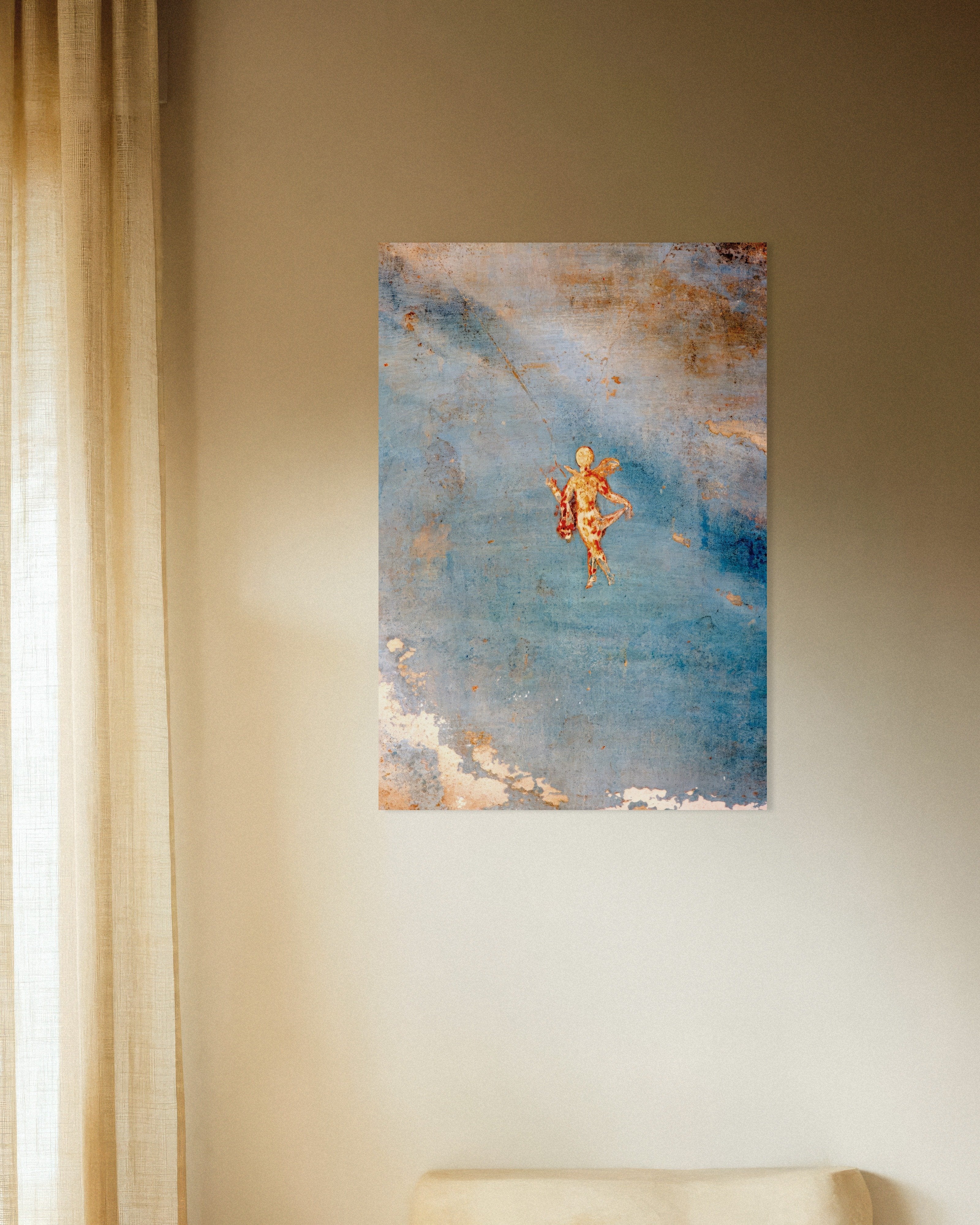
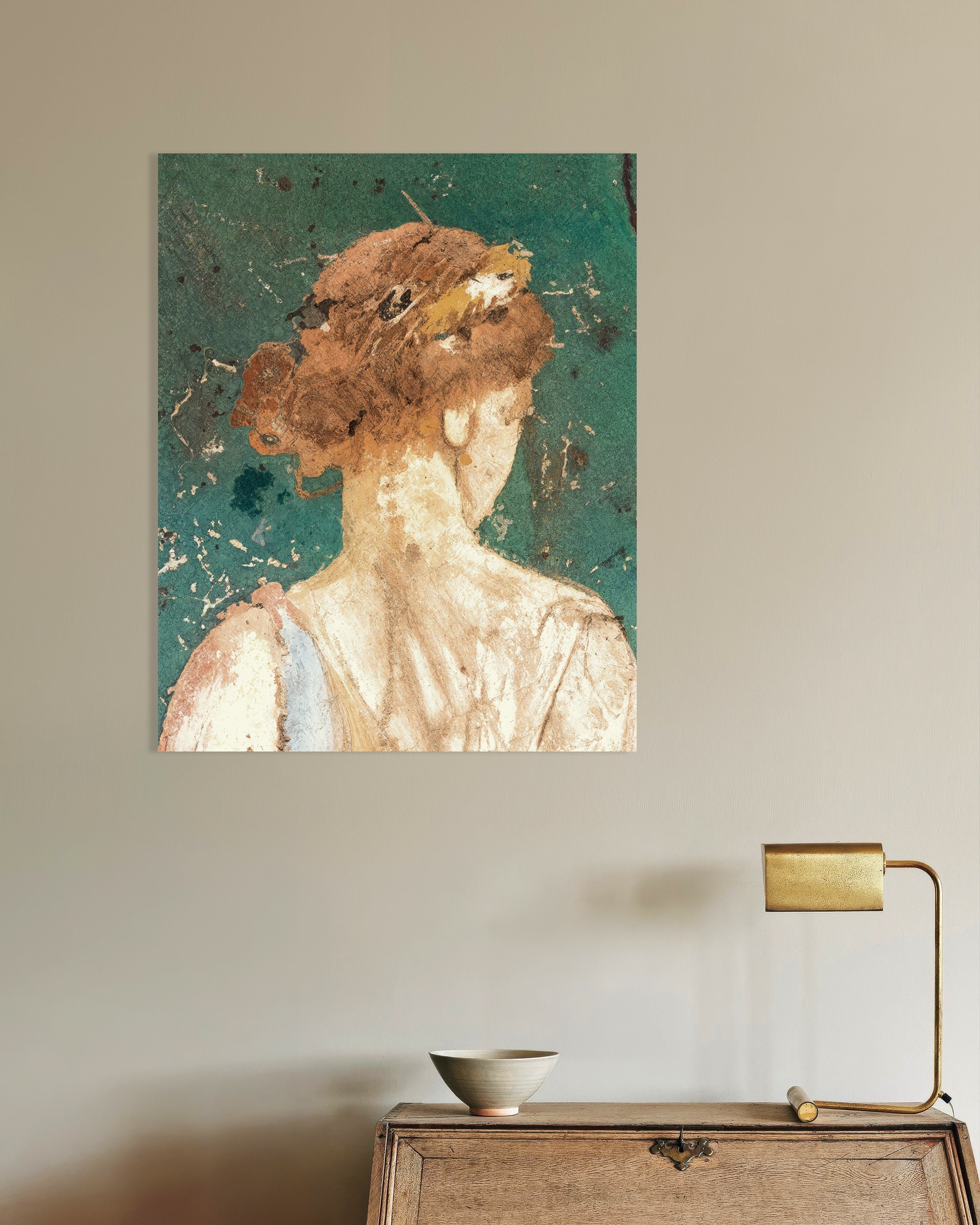
Roman wall decor brings together faded fresco tones, classical ornament, mineral textures, and a sense of quiet grandeur. Inspired by Ancient Rome, this aesthetic feels historical without becoming heavy. It adds depth, warmth, and character to a space, with walls that feel curated rather than simply filled.
What defines Roman decor?
Roman decor is not just about columns and marble references. It is a visual language built from aged plaster surfaces, earthy pigments, botanical motifs, mythological figures, architectural rhythm, and a balance between refinement and restraint. In wall decor, that translates into artwork that feels textured, storied, and rooted in classical taste.
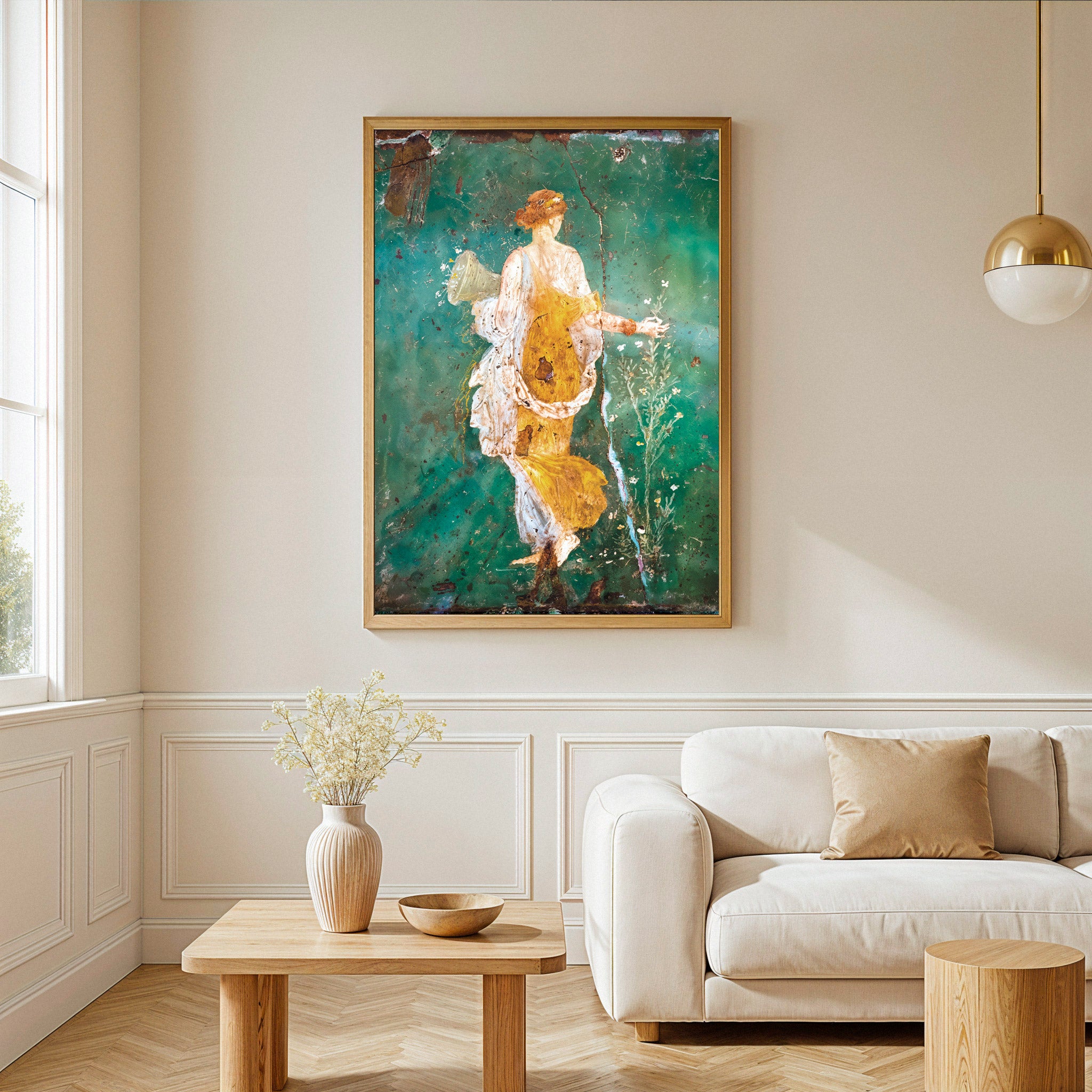
Roman atmosphere
How to use Roman wall decor at home
Ancient Roman inspiration works best when it is treated as atmosphere rather than costume. The goal is not to recreate a museum, but to build a room with quiet structure, warmth, and presence.
In a living room
Roman wall decor adds depth to spaces built around limestone tones, natural wood, soft beige textiles, and sculptural shapes. A fresco-inspired print can anchor the room without overpowering it.
In a dining room
This style feels especially natural in dining spaces, where references to antiquity, hospitality, and mural painting create a richer setting. Ochre, clay, and muted green tones work particularly well here.
In a bedroom
Roman-inspired wall art can bring softness when the imagery leans toward weathered surfaces, draped figures, and faded pigments rather than highly detailed scenes. The result feels calm, tactile, and timeless.
In an office or studio
Classical wall decor can introduce structure and visual seriousness without becoming cold. It suits interiors that mix books, dark wood, stone tones, and a more collected aesthetic.
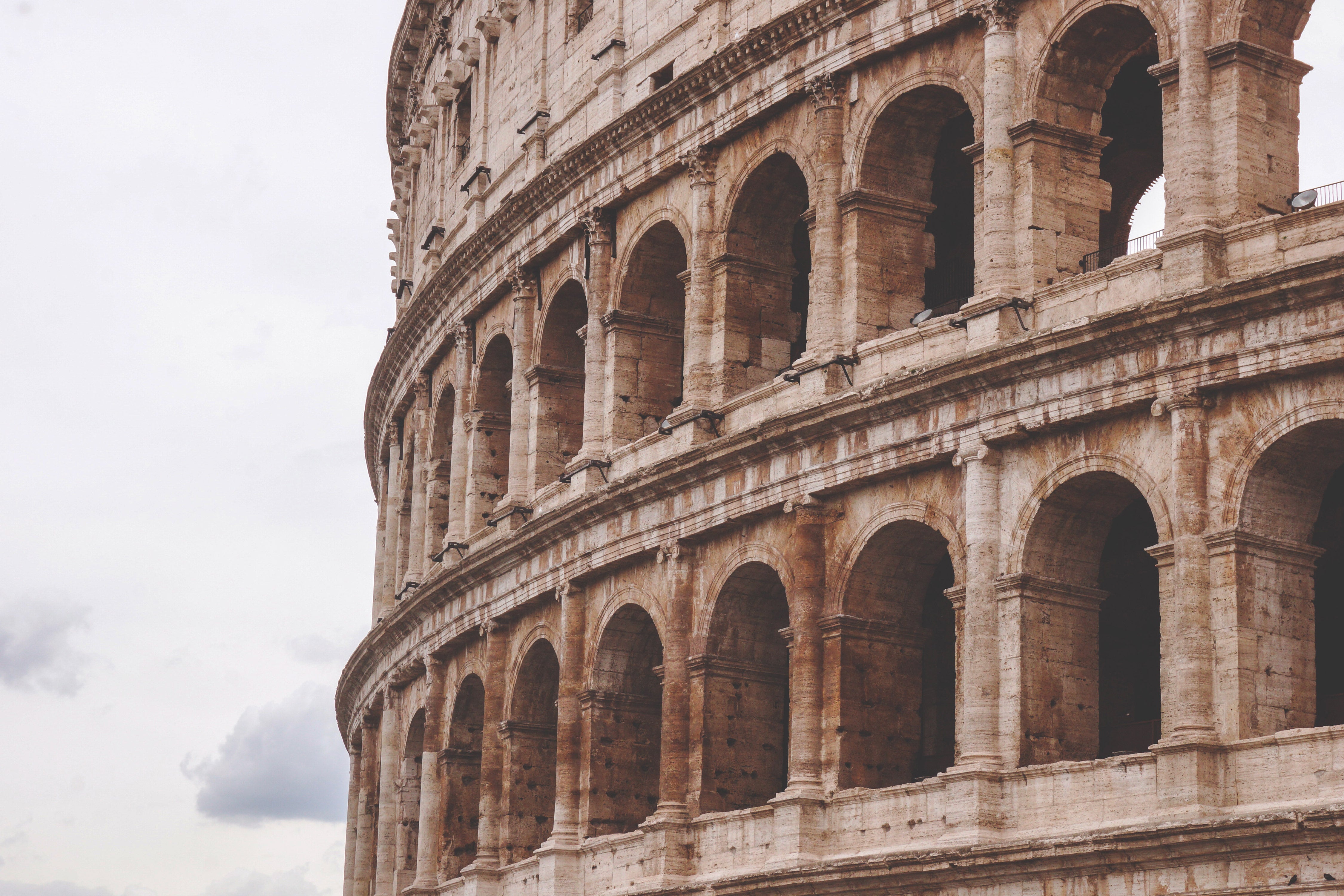
Why classical frescoes matter in Roman wall decor
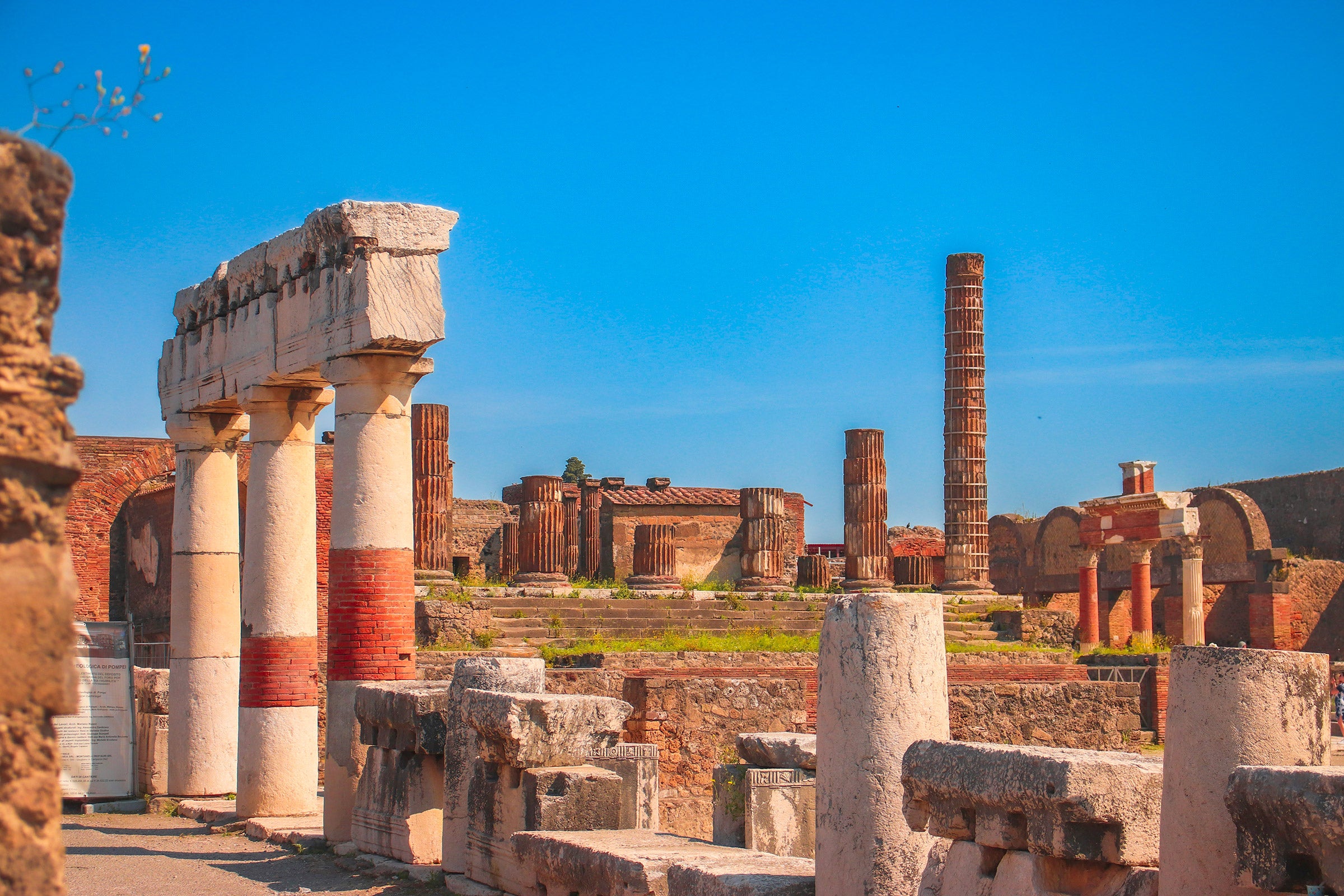
Many of the strongest references for Roman wall decor come from Pompeii and the villas buried around Vesuvius. Their frescoes preserved a rare vision of how the Roman world used painted walls, color, ornament, and illusion inside domestic interiors. Today, these fragments offer more than historical interest. They provide a visual starting point for interiors that want character, texture, and a sense of cultural depth.
If you want to explore artworks directly inspired by these frescoes, visit our Pompeii collection.
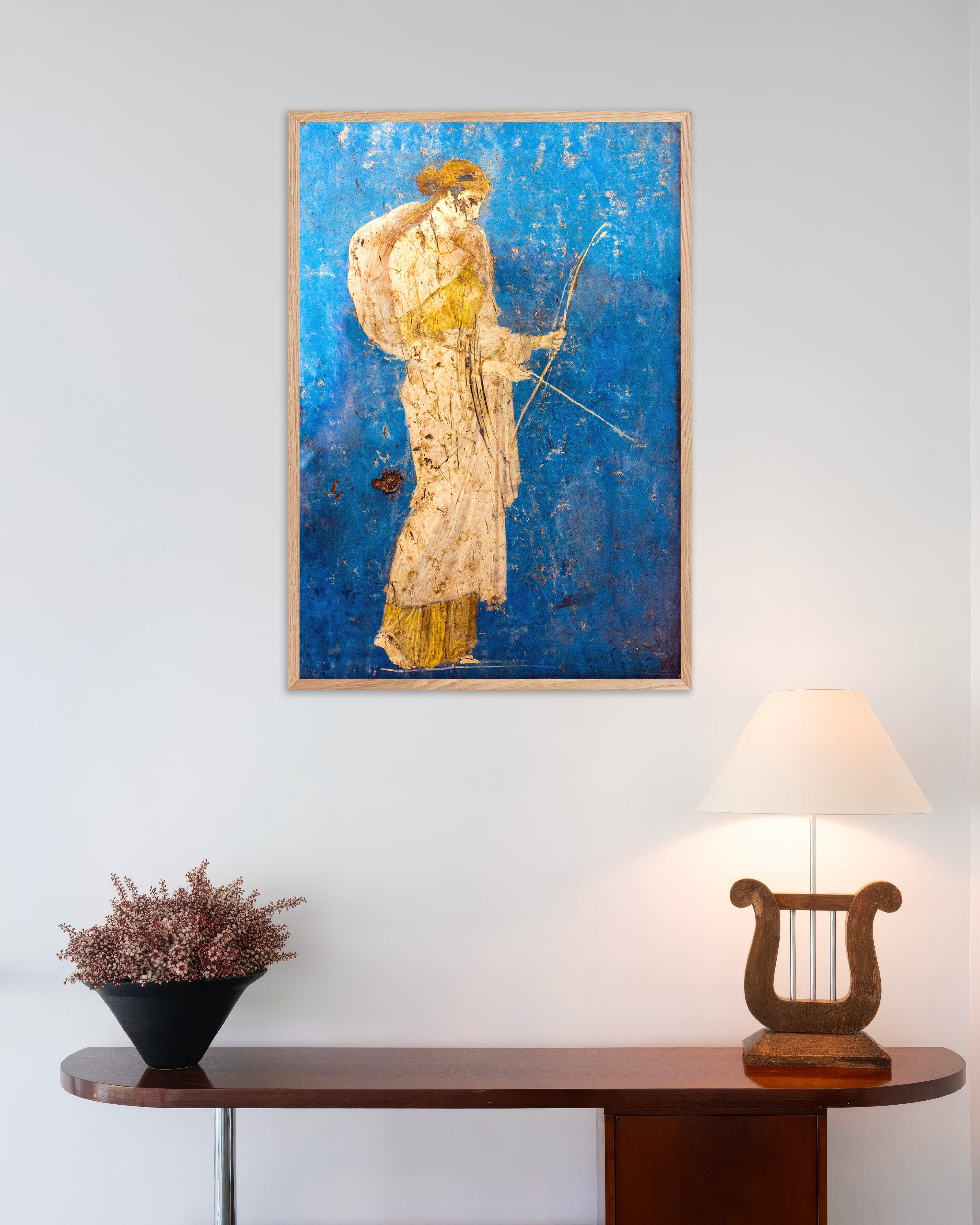
Roman interior inspiration
Shop Roman inspired wall art
Our Roman-inspired wall art brings together posters inspired by frescoes, ancient villas, and classical wall painting. If you are looking for Roman wall decor with a strong visual identity, start there.
Pompeii Eternal Wall Art


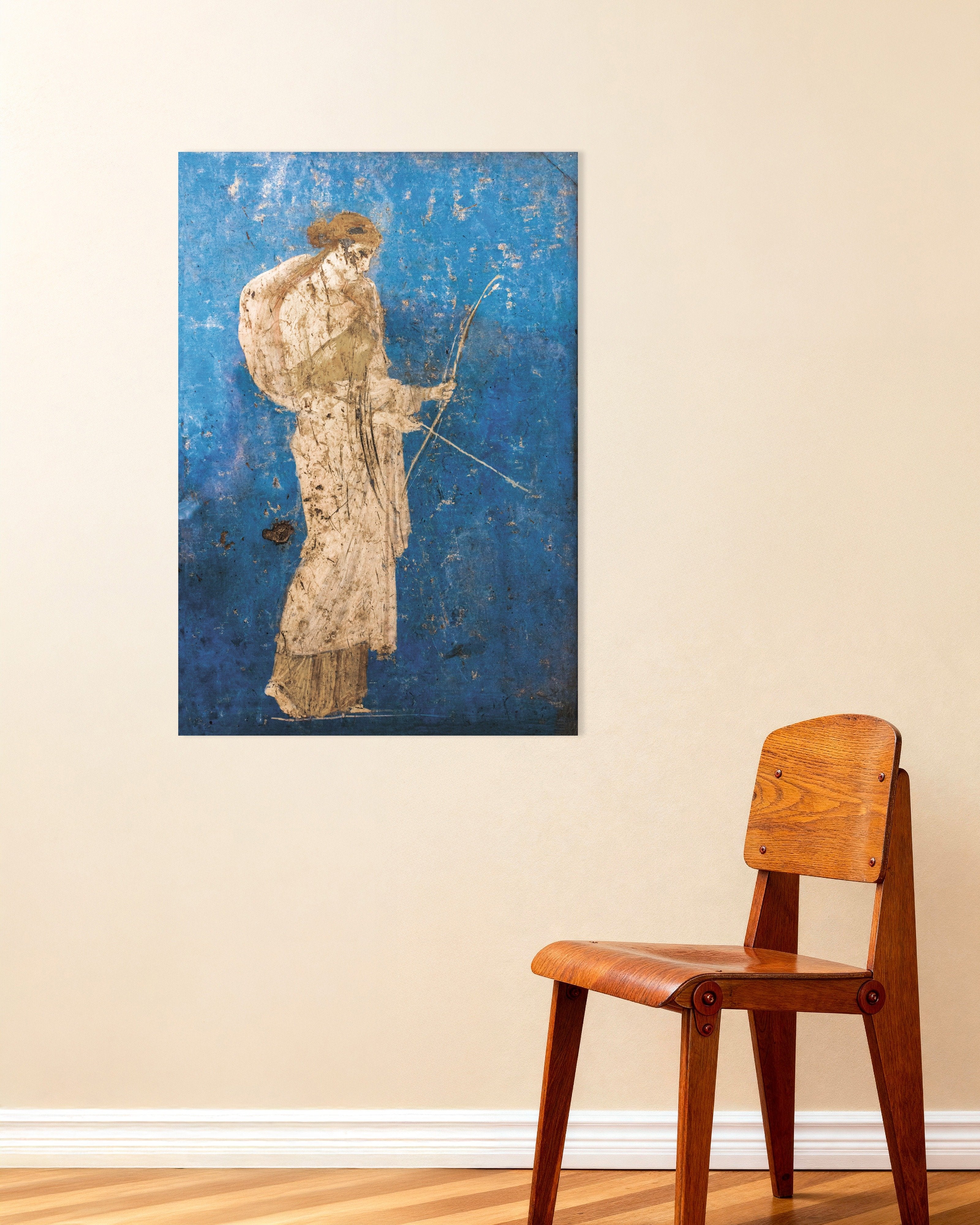






The mood of Ancient Roman interiors
Ancient Roman interiors were often richer and more atmospheric than modern ideas of antiquity suggest. Painted walls, mineral reds, black accents, soft greens, and ornamental borders created rooms with both intimacy and drama. Translating that mood today means choosing wall art that feels layered, architectural, and slightly weathered, rather than overly polished.
- Color palette: terracotta, olive green, faded red, warm ivory, mineral black
- Textures: plaster, stone, patina, aged pigment
- Mood: grounded, elegant, quiet, storied
From ancient frescoes to contemporary interiors
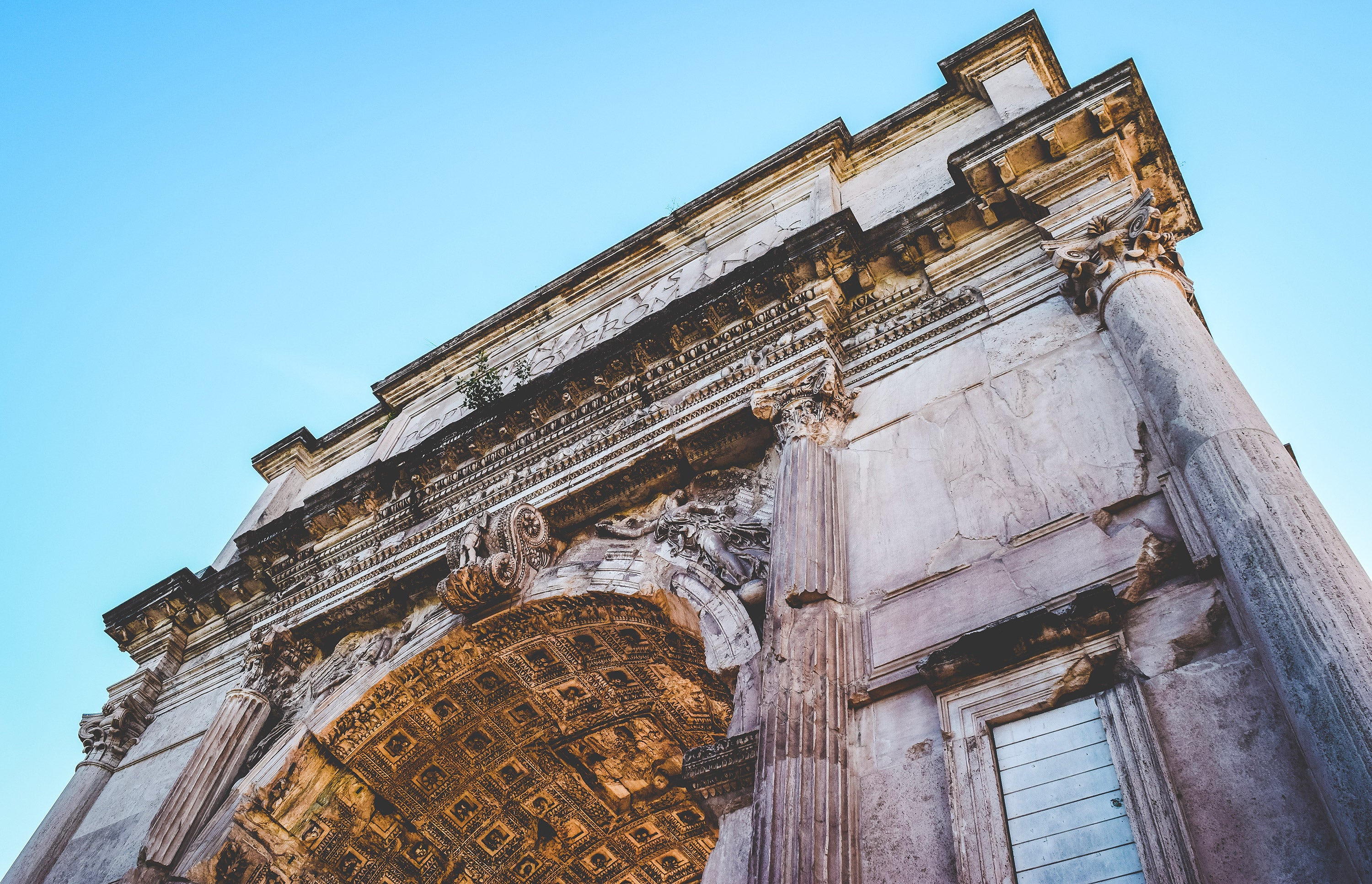
Roman wall decor has lasting appeal because it sits between art, architecture, and decoration. Fresco fragments, painted figures, and ornamental details still feel relevant in modern spaces because they carry both image and material presence. They do not just decorate a wall, they suggest a larger world behind it. For a deeper look at the history and symbolism of frescoes, you can read our dedicated article.
Ancient Roman decor for walls with character
Roman wall decor offers a different way to shape an interior. Instead of relying on generic wall art, it brings in references drawn from Ancient Rome, fresco painting, architectural balance, and weathered surface textures. The result feels grounded and expressive at the same time. Roman decor works especially well in spaces that favor natural materials, muted tones, and a more collected atmosphere.
For many interiors, the appeal lies in its balance. Ancient roman decor can feel refined without becoming formal, historical without feeling distant, and decorative without looking overdone. Fresco inspired artwork, classical figures, and mineral color palettes introduce depth in a way that feels subtle but unmistakable. This makes Roman wall decor a strong choice for living rooms, bedrooms, dining spaces, and studies where the goal is to create a room with presence and coherence.
At Posterscape, our Roman inspired wall art is closely connected to the visual world of Pompeii and antique mural painting. Rather than treating antiquity as a costume, we focus on pieces that translate its textures, tones, and atmosphere into something that works naturally in contemporary homes. If you want to explore the most direct expression of this style, discover our Pompeii collection and our editorial article dedicated to Roman frescoes.

